Can Cats Be “Top Students”? Unlock the Secrets of Scientific Cat Training!

When it comes to pet training, many people first think of dogs. The stereotype that “cats are aloof, independent, and unpredictable” is deeply rooted, making many cat owners hesitant to train their feline friends. But in reality, cats are extremely intelligent animals fully capable of learning various commands and good behaviors. Scientific cat training not only solves annoying behavioral issues but also strengthens the emotional bond between you and your cat, enhancing the quality of your shared life.
This article will demystify cat training and provide a set of practical methods and techniques that align with a cat’s natural instincts.
Why Train Your Cat? It’s More Than Just “Shake Hands”
Many new cat owners may ask: How to train a cat? Why spend time doing it? In fact, training isn’t just about teaching cats tricks to amuse their owners. More importantly:
- Shape good habits: Through training, you can teach your cat to use the litter box and scratching post, preventing them from eliminating randomly or damaging furniture at home.
- Strengthen the human-cat bond: The training process is an excellent opportunity for interaction and communication between owners and cats, helping to build deeper trust and affection.
- Provide mental stimulation: Training stimulates cats’ intelligence, satisfies their need for exploration and learning, and prevents behavioral problems caused by boredom—this is crucial for maintaining cats’ mental health.
- Improve life convenience: For example, training your cat to adapt to a carrier makes it smoother to take them to the vet or travel.
- Ensure safety: Training your cat to respond to their name or learn commands like “come” can be extremely useful in emergency situations.
Core Principles of Cat Training: Love and Patience Are the Foundation
Successful cat behavior training is built on understanding feline nature and scientific methods. Here are the core principles you must master:
- Positive reinforcement is always king
This is the golden rule of cat training. When your cat exhibits the desired behavior (even if it’s just approaching the desired behavior), immediately reward them with something they love—such as delicious treats, gentle pets, verbal praise, or their favorite toy. This way, your cat will associate the behavior with a pleasant experience and be more willing to repeat it.Important note: Punishment and scolding often backfire in cat training. They may cause fear, anxiety, or even damage the relationship between you and your cat.
- Patience, patience, and more patience
Cats’ learning curves may not be as steep as dogs’. They have their own rhythms and ways of thinking. Don’t rush during training—maintain sufficient patience. Even if your cat doesn’t understand or cooperate immediately, don’t get discouraged. According to “pet behavior experts’ suggestions,” understanding and respecting individual differences in cats is key to successful training. - Short and fun training sessions
Cats have relatively short attention spans. Each training session should ideally last 5-10 minutes, and you can conduct multiple short sessions per day. Keep the training process relaxed and enjoyable, so your cat sees it as a fun game rather than a tedious task. - Maintain consistency
All family members should use the same commands and reward standards. Inconsistent commands will confuse your cat and affect training results. - Understand your cat’s “language”
Observe your cat’s body language (such as the posture of their ears, tail, and whiskers) and vocalizations to understand their emotional state. When your cat shows signs of tiredness, impatience, or stress, end the training promptly to avoid negative experiences.
Common and Practical Cat Training Projects
Once you’ve mastered the basic principles, you can start trying some specific training projects:
1. Name Recognition and Recall Training
This is one of the most basic and practical training exercises. When your cat is relaxed and focused, call their name softly. As soon as they look at you or approach, reward them immediately. Start with short distances initially, then gradually increase the distance and add distractions.
2. Litter Box Training
Most cats are naturally inclined to use a litter box, but sometimes they need guidance. Ensuring the litter box is clean, using the right type of litter (most cats prefer unscented fine-grain litter), and placing it in a quiet, secluded location is the first step to successful litter training. If you catch your cat eliminating in an inappropriate spot, thoroughly clean the area to remove odors and guide your cat to the litter box.
3. Scratching Post Training
Scratching is a natural feline behavior. To protect your furniture, you need to train your cat not to scratch items like sofas and guide them to use a scratching post. Choose a scratching post made of materials and in a style (vertical, horizontal, etc.) that your cat likes, and place it near areas where they tend to scratch. Reward your cat immediately when they use the scratching post. You can sprinkle some catnip on the scratching post to attract them.
4. Basic Command Training (e.g., “Sit,” “Shake Hands”)
Take “sit” as an example: Hold a treat slightly behind and above your cat’s head. Your cat will usually sit naturally to reach the treat. The moment they sit, say the command “sit” and give the reward. Practice repeatedly, and your cat will associate the action with the command.
5. Carrier Acclimation Training
Make the carrier part of your cat’s daily life, not just something that appears when going to the vet. Leave the carrier door open, place it in an area your cat frequents, and put a soft mat, treats, or toys inside to encourage them to explore freely. Gradually, your cat will see it as a safe and comfortable space.
How to Correct Common Bad Cat Behaviors?
For correcting common bad behaviors in cats—such as scratching furniture randomly, jumping on off-limits surfaces, or biting during play—you can also apply the principle of positive reinforcement, combined with environmental management and behavior replacement:
| Common Problem Behaviors
< | Scientific Training and Correction Strategies |
|---|---|
| Scratching furniture (e.g., sofas) | Provide multiple attractive scratching posts; cover areas you don’t want scratched with materials cats dislike (e.g., double-sided tape, aluminum foil); reward behaviors of using the scratching post. |
| Jumping on off-limits areas (e.g., dining tables, stovetops) | Make off-limits areas unattractive (e.g., place minor obstacles); provide other permitted, more appealing high perches (e.g., cat trees); use a clear, short “no” or clap to stop your cat when they attempt to jump (avoid intimidating them). |
| Playful aggression (biting, scratching hands) | Never use your hands or feet to directly play with your cat; immediately stop interacting and walk away when your cat starts biting or scratching during play; provide sufficient toys like feather wands and small balls to redirect play energy to toys. |
| Nocturnal noise | Ensure your cat gets enough exercise during the day to burn energy; engage in an interactive play session before bedtime; ignore nocturnal noise (avoid creating the perception that “making noise gets a response”); if the problem persists, check for medical or environmental stress causes. |
Training Aids: Choose Tools That Double Your Efficiency
Some small tools can make cat training more effective:
- Clicker: A small tool that makes a clear “click” sound. By associating the clicker sound with rewards (treats) (i.e., “charging” the clicker), the clicker can serve as a precise “bridge signal” to mark your cat’s correct behaviors.
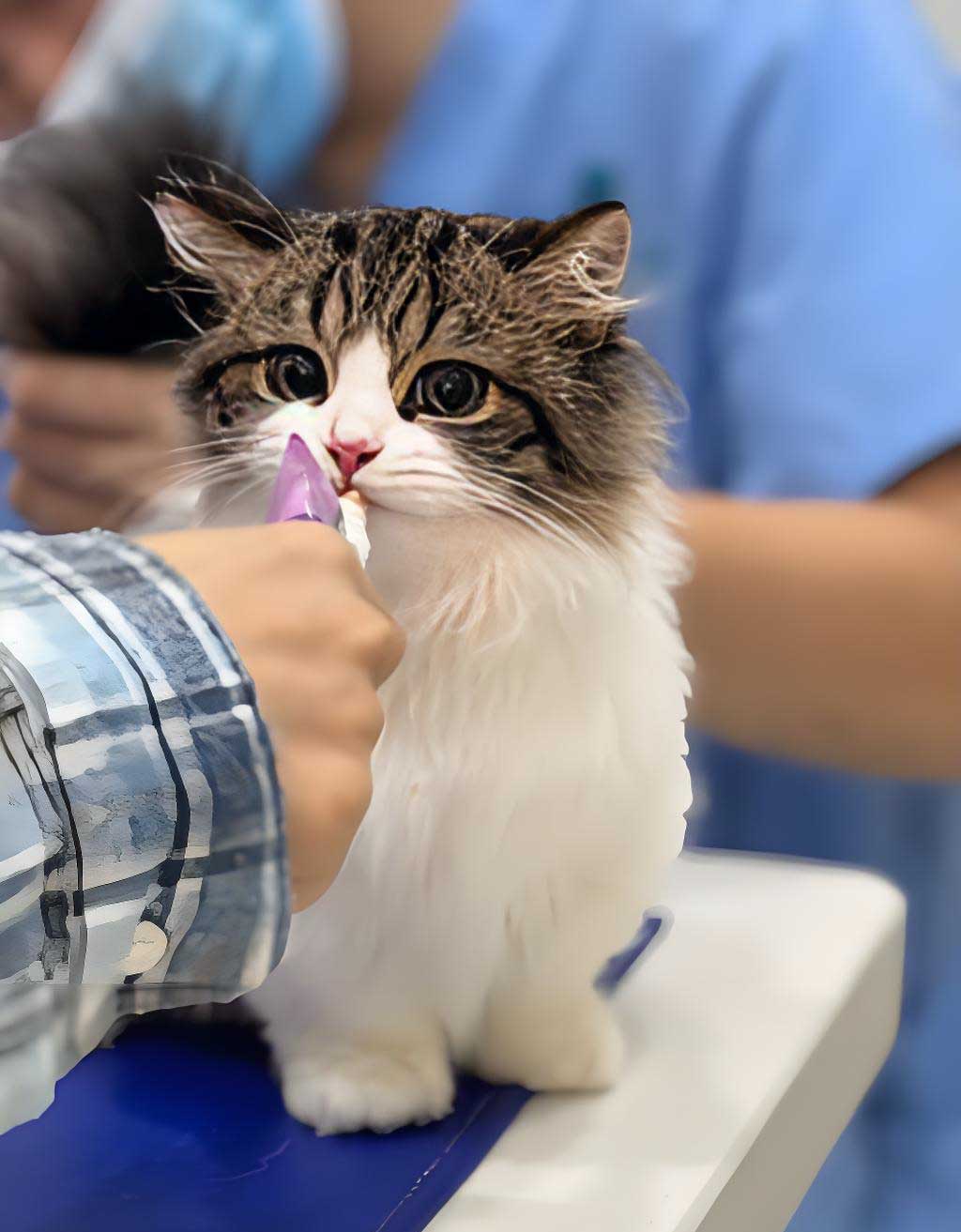
- High-value treats: Choose small treats your cat particularly loves, such as freeze-dried chicken or fish, as the main reward during training.
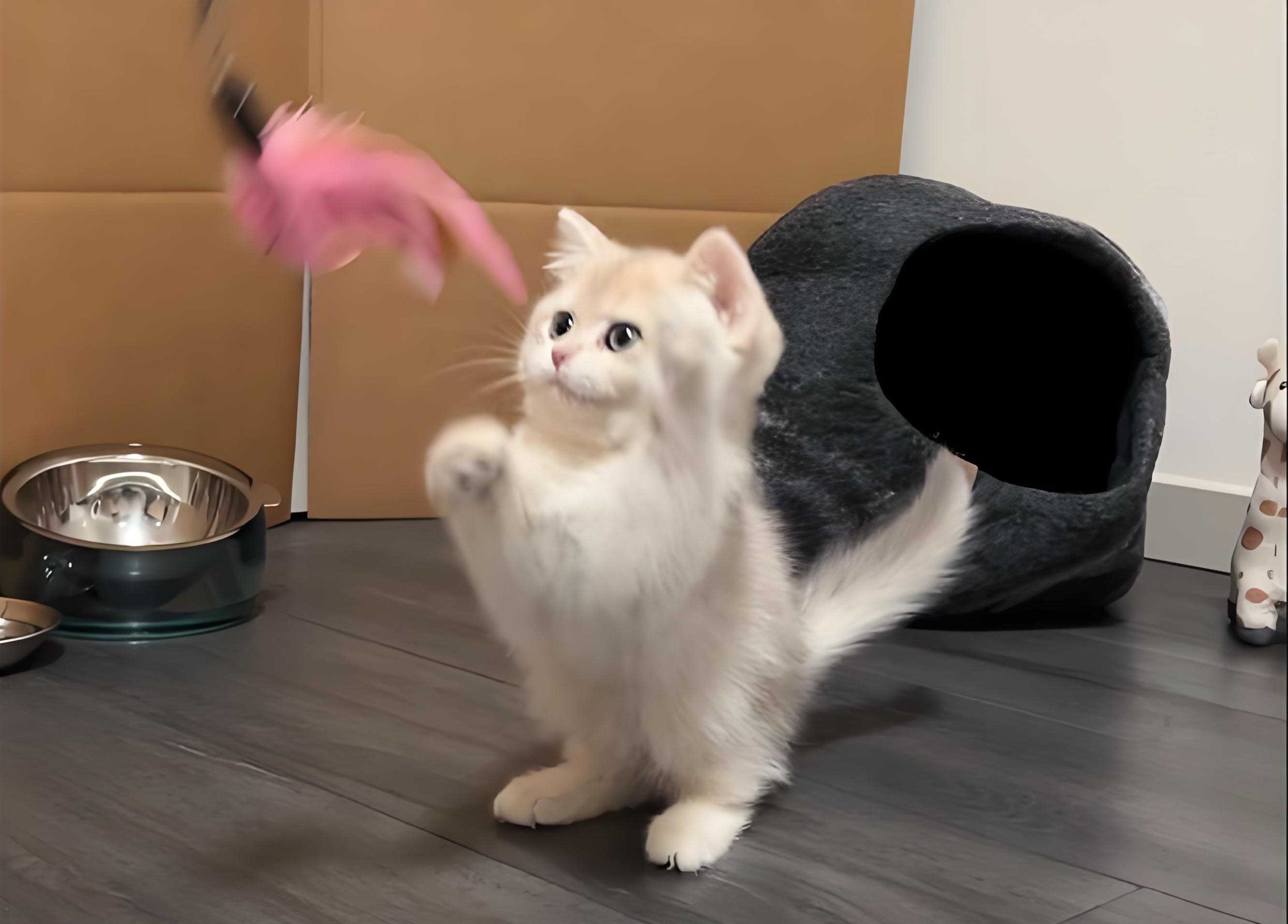
- Interactive toys like feather wands: Not only are they rewards, but they’re also great for training cats to perform certain actions (e.g., jumping, chasing) while expending their energy.
When to Seek Help from a Professional Cat Behavior Consultant?
While many common training and behavioral issues can be improved through the owner’s efforts, it’s wise to seek help from a professional cat behavior consultant or veterinarian if you encounter the following situations:
- Your cat exhibits severe aggressive behavior (towards humans or other animals).
- Your cat has persistent, unexplained inappropriate elimination problems.
- Your cat shows excessive fear, anxiety, or compulsive behaviors.
- You’ve tried multiple methods, but the behavioral issue still hasn’t improved.
- You’re unsure how to start or handle a specific behavioral problem.
Professionals can conduct a comprehensive assessment of your cat’s behavior, identify the root cause, and tailor a solution for you.
In summary, cat training is a fun and rewarding process. It requires your love, patience, and scientific methods. Through training, you’ll not only have a cat with better behavior but also build a unique and deep bond with them. Remember, every cat is unique—enjoy the journey of learning and growing together with them!